

Rare female bittern spotted in Matakana sparks conservation effort

10 December 2025, 8:04 PM
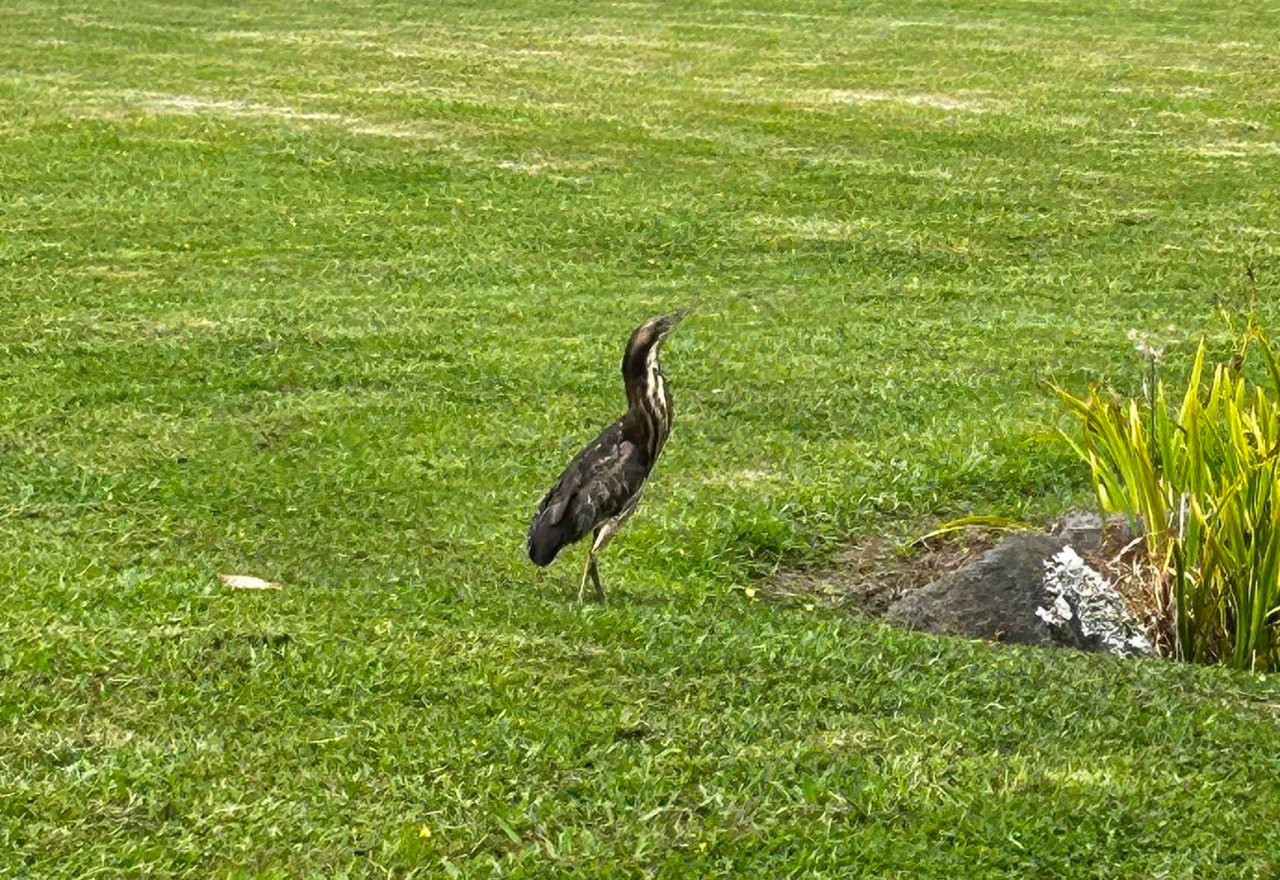 Bittern spotted in Matakana
A rare sighting of an adult female matuku-hūrepo (Australasian bittern) near Matakana has sparked excitement among conservation groups and renewed calls for local predator control.
Steve, a landowner on the outskirts of Matakana, was mowing on his ride-on when a large, unfamiliar bird flew over him and landed near his pond.
Curious, he stopped the mower, took a few photos, and left the bird to continue foraging undisturbed. After checking online, he realised he’d encountered a matuku-hūrepo – one of Aotearoa’s most secretive and critically endangered wetland birds – and recorded the sighting on lovebittern.com.
Adult bitterns stand roughly the height of a dining table, yet most New Zealanders will never see one in their lifetime. Females are even rarer to spot, typically being more cautious and secretive than males. They nest and raise chicks alone, which leaves them especially vulnerable to predators such as cats, stoats and ferrets.
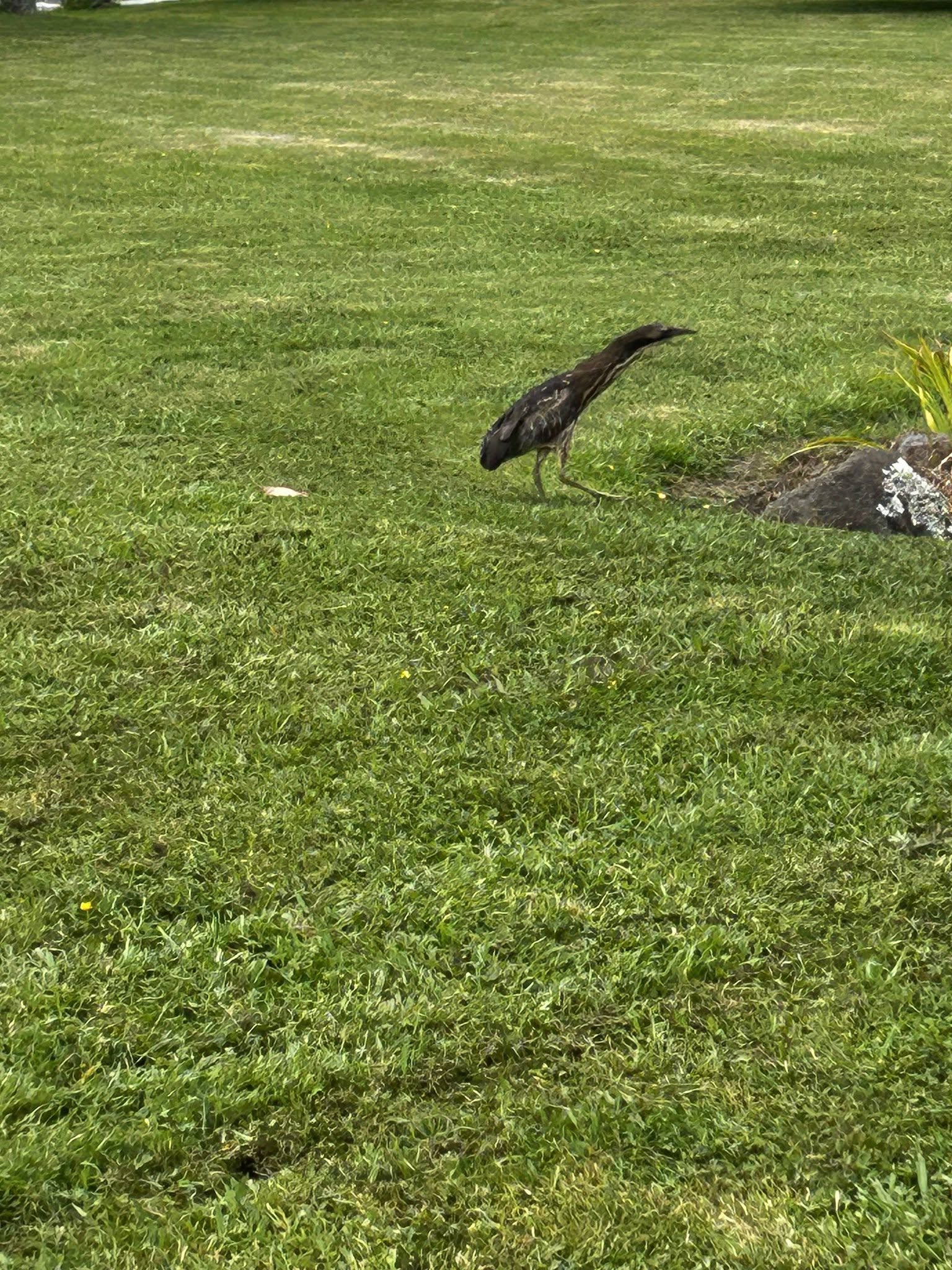
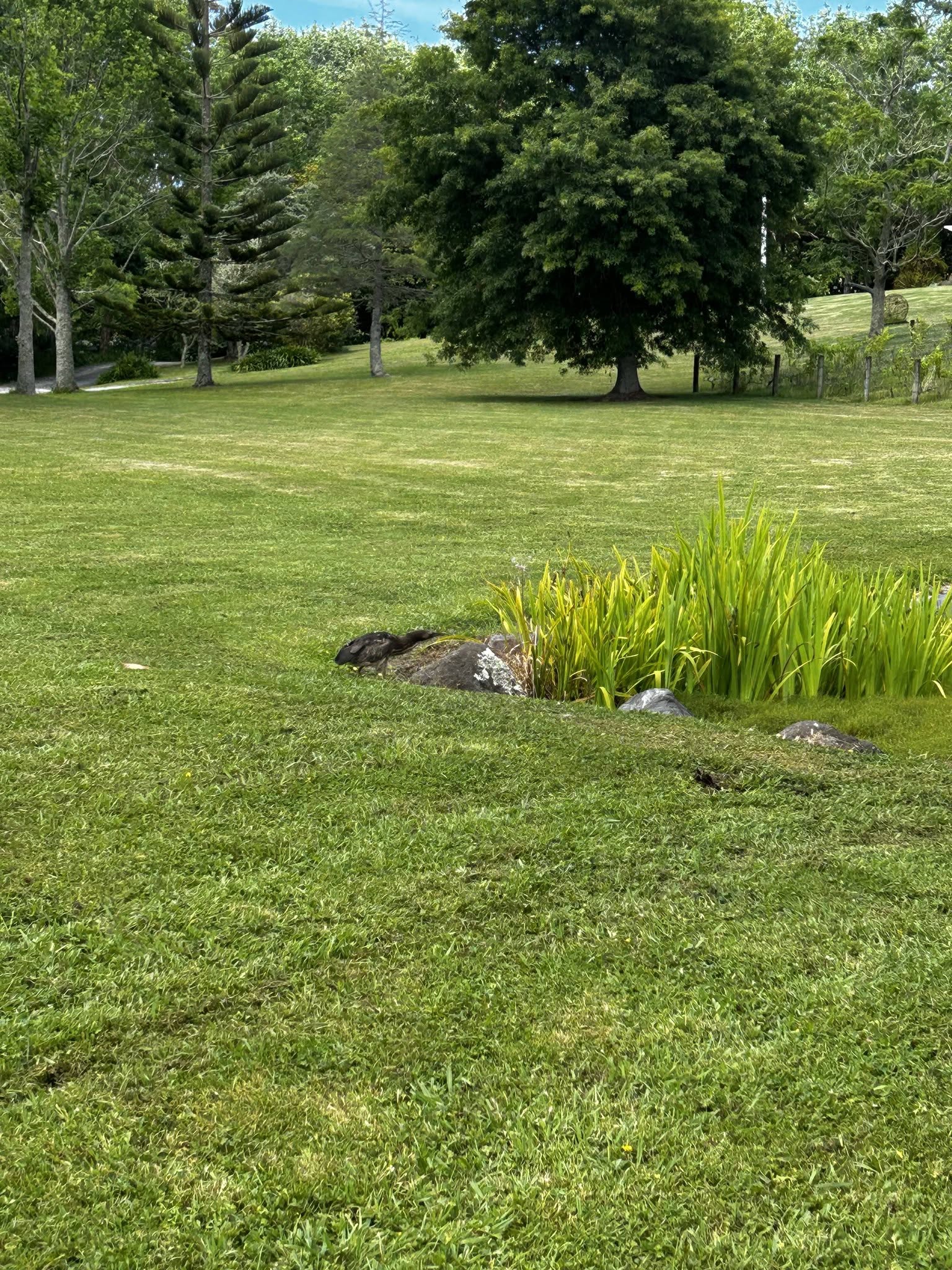
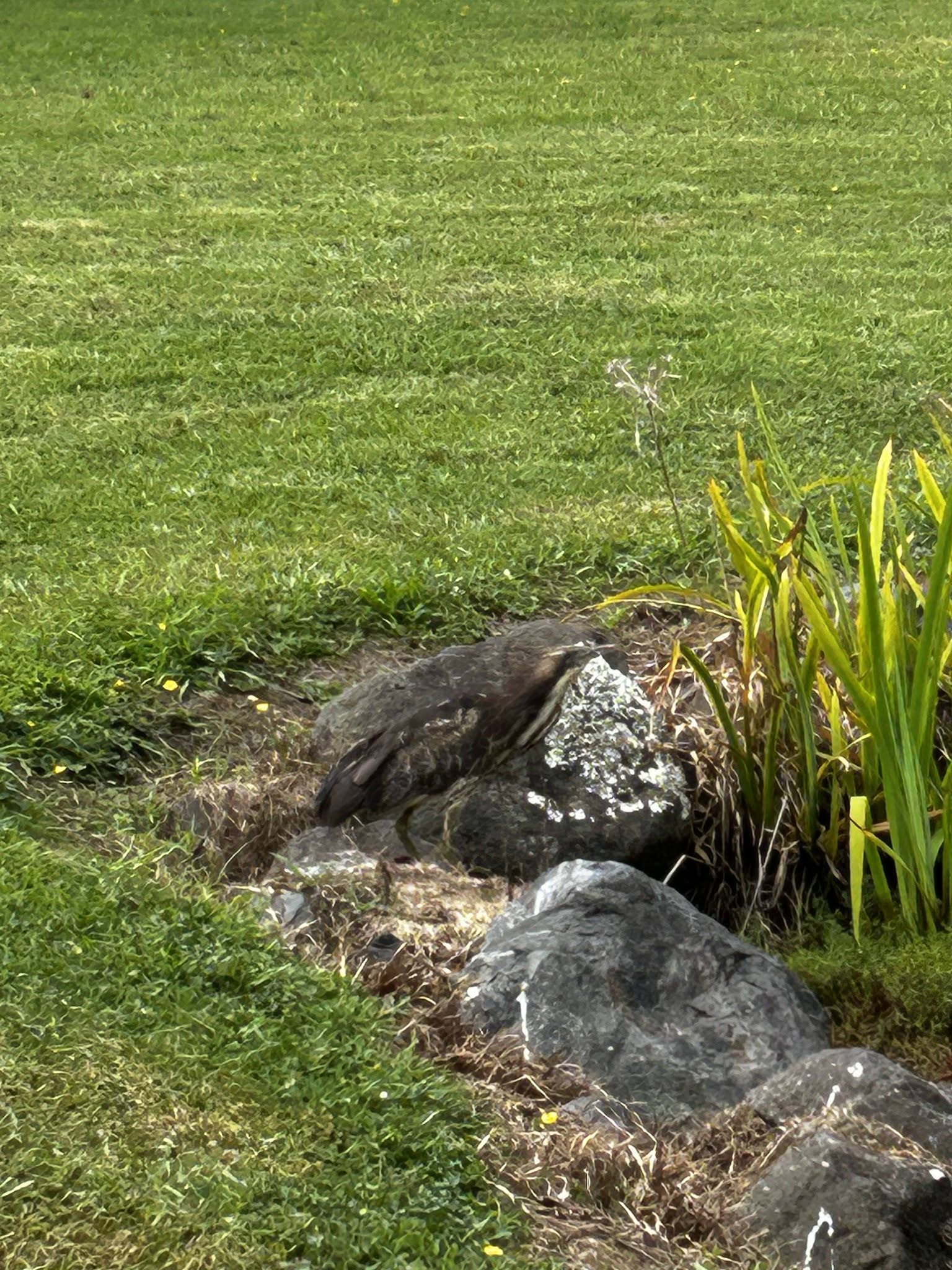
The behaviour Steve observed – intense, determined foraging despite his nearby presence – can often indicate a nesting female with chicks close by.
Takatu Landcare, supported by The Forest Bridge Trust, responded quickly to the sighting and are now working with Steve to investigate further. A recorder will be installed on his property to listen for the deep “whoom” calls of booming males at dawn and dusk. Detecting a male would help pinpoint a breeding territory and guide urgent predator control to protect the female and any potential chicks. Additional traps are being installed, and Steve has already started speaking with neighbours to create a wider buffer of protection.
Locals around Tongue Farm Road and the surrounding area are being encouraged to check and rebait their traps as soon as possible. Anyone wanting to join the effort or access traps can contact Takatu Landcare at [email protected].
With only an estimated 750–800 matuku-hūrepo left in New Zealand, conservationists say every individual bird – and every remaining wetland habitat – is crucial. Community groups and landowners play a key role in their protection, and sightings like this help guide where support is most needed.
People can help bittern conservation by restoring wetland areas, controlling predators, reducing disturbance around ponds and marshes, and reporting any sightings or booming calls. Lovebittern.com offers detailed advice on how to take action, from planting and pest control to supporting wetland restoration projects. To find out more info and how you can help https://lovebittern.com/take-action/
This rare glimpse of a female bittern in Matakana is a promising sign for the species in the region, and local volunteers are hopeful that with swift community support, she and her chicks will have the best chance to thrive.


MATAKANA
