

Rising Hornet threat in Auckland sparks urgent search effort

01 December 2025, 4:59 PM

Biosecurity authorities are warning that the Asian yellow-legged hornet situation in Auckland is becoming more serious, with new queens and small nests continuing to appear across Glenfield as spring ends.
The species was first detected over winter, when two sluggish male hornets were found.
The initial find suggested a limited incursion, but recent discoveries paint a different picture. Response teams from the Ministry for Primary Industries (MPI) have located around two dozen spring queens and several developing nests in recent weeks, indicating the population is larger and more active than anticipated.
Experts say the numbers suggest the current incursion may have originated from a single nest capable of producing hundreds of queens in one season. If so, the individuals and nests found so far may represent only a small portion of the true spread.
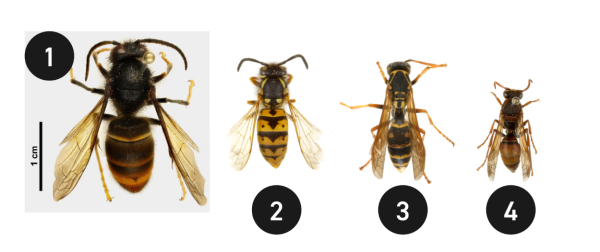
The hornet poses a significant threat to honey bees, which make up the majority of its natural prey.
Overseas, established populations have caused severe hive losses, with some regions in Europe reporting declines of between 30 and 80 percent.
The species also presents risks to people, as approaching or disturbing nests can result in painful stings, rapid swelling and, in rare cases, severe allergic reactions.
The economic cost of managing yellow-legged hornet populations overseas has reached into the tens of millions of dollars, prompting concern that New Zealand must scale up its efforts while eradication is still achievable.
MPI has increased staff numbers and is carrying out intensive searches on the ground. Their work is supported by trapping within a five-kilometre radius of detection sites, although some international evidence suggests the hornets can disperse far beyond this range. European data shows early populations spreading tens of kilometres per year, raising the possibility that the current search area will need to expand substantially.
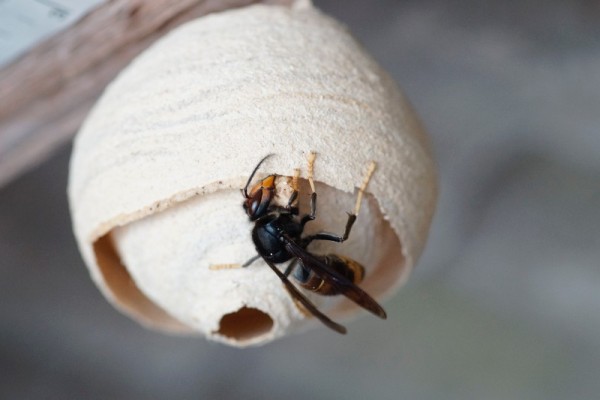
The only confirmed eradication of this species occurred on the island of Majorca, where a multi-year programme combined citizen reporting, extensive nest searches and systematic nest removal. That success, carried out over a sizeable area, suggests eradication in Auckland remains possible if the full extent of the incursion is rapidly identified.
New Zealand may also benefit from locally developed toxic bait such as Vespex, widely used for wasp control. Although its effectiveness on the yellow-legged hornet is still being evaluated, the bait has previously reduced wasp numbers dramatically in large forested areas. If foraging hornets begin taking the bait, January and February are expected to be the most effective window for deployment.
Later in summer, search teams expect to locate higher and more concealed nests, including those in tall tree canopies, which may require specialised equipment and long-reach tools to treat safely.
Biosecurity New Zealand is continuing to urge Aucklanders to report any suspected hornets or nests. Officials say the priority is to intensify searching, establish the true boundaries of the infestation and destroy remaining nests before they can produce new queens and males.
We have previously reported on how we can make our own hornet traps - for details head here.